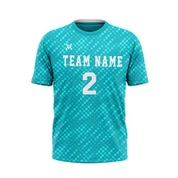
MAIKAKEN is a manufacturer that develops and produces sportswear such as Basketball Uniform, personalized basketball jersey youth, soccer wear, handball wear, volleyball wear, and badminton wear.We also produce sports goods such as custom sublimated polo shirts, sublimation printing polo shirts, sweatshirts, and hoodies. We also produce basketball bags, basketball baskets, window breakers, jackets, sports towels, etc.
Rich Product Variety
Our company can customize printed basketball jerseys, sublimated reversible basketball uniforms, youth reversible basketball jerseys with numbers, reversible mesh basketball jerseys with numbers, custom sublimated polo shirts and so on.
Customizable
We have an advanced production process from the model to the final product, which is fully modified and tested to meet the needs of professional sports. We also accept OEM processing.
Leading Service
We have many years of industry experience and a complete production management, quality supervision, sales service operation system. Whether you want to buy wholesale reversible basketball jerseys or personalized basketball jersey youth, just send your requirements by email and we can customize the product for you.
Large Number of Sales
All our products are exported to Japan, with an annual output value of 30,000 pieces, and steady growth every year. Our customers are mainly groups, clubs, schools, sports goods stores, etc.
What is Polo Shirt
Polo shirts are usually made of knitted cotton (rather than woven cloth), usually a piqué knit, or less commonly an interlock knit (the latter used frequently, though not exclusively, with Pima cotton polos), or using other fibers such as silk, wool, synthetic fibers, or blends of natural and synthetic fibers.
Features of Polo Shirt
Comfortable To Wear
Just like crew neck shirts, polo shirts are comfortable pieces of clothing. These are manufactured with breathable fabric to absorb any sweat and provide ventilation to the wearer. Whether they're made from 100% cotton or combined with other fabrics such as polyester, the comfort of the wearer remains the same. They are perfect for everyday clothes - Whether you're at home or in the office.
Durable Clothing Material
Polo shirts are tough and durable. It also isn't hard to maintain. You can wash it in cold water with a mild detergent, and dry it in the lowest heat setting. Sometimes, depending on the fabric, there may not be a need for ironing anymore. You can use a hanger to keep its shape or directly fold it for storage.
Choice of Materials
Cotton
Sublimation printing polo shirts are soft to the touch, easy to maintain and breathable for warm, summer afternoons on the yacht or at a family picnic. Chances are, you have one or two cotton shirts in your wardrobe at home, as it's the most common fabric.
Poly-Cotton
If you need material that's going to keep you a little warmer, the polyester and cotton blend provides the comfort of natural cotton with the warmth of the synthetic polyester.
Performance
This moisture-wicking fabric is the one of the best options for active people who still need to look presentable – Coaches, golf enthusiasts and others will enjoy the sweat protection on top of odor reduction and sun-blocking that comes with this lightweight fabric.
100% Poly
Polyester is a synthetic fabric that provides excellent durability and absorbency. This allows the material to dry faster than other types of fabrics, which reduces the chance of sweat and stains from becoming known.
Types of Full Custom Sublimation POLO Shirt
Mesh Polo
Mesh-fabric polos are known for their distinctive screen-like weave. Normally made out of 100 percent cotton, and available in long- or short-sleeve styles, the textured look provides a casual, versatile look for all kinds of occasions.
Pique Polo
Created with a dobby loom, pique-knitted polo shirts are generally a more formal option compared to mesh or jersey alternatives. They are characterised by their geometric patterns that draw-in the eye, similar to a twill or corded cotton.
Jersey Polo
The most casual of the bunch is the jersey polo. These offer a streamlined, textureless design that's more similar to a basic t-shirt. They also happen to be the most affordable, meaning you can bump up your style on a budget.
Interlock Polo
An interlock polo is defined by an interlocking of stitches on a circular-knit machine. It's a soft, warm and stretchy material that's warmer than it's close counterpart, the jersey knit. Thanks to its double knitting, it's also durable and feels higher quality when touched.
Screen Printing
Screen printing is one of the most common methods used by companies for personalising polo shirts and tees. Here, a particular design is separated into different individual shades and then printed on the fabric layer by layer. It is different from simulated or process printing because process printing involves usage of red, white, green, blue, gold and black ink only, in order to get a wider colour spectrum with a limited number of shades.
Embroidery
Embroidery is another popular technique used for printing on t-shirts or polo shirts. A variety of colourful threads are used for this process. This method is similar to a few other printing techniques such as appliqué, impressing or embossing, dye-sublimation transfers, airbrush and heat transfers. Many organisations use this process extensively to imprint their company logo on polo shirts and use as a medium to promote their business.


Inks
If the color and fabric of a t-shirt is light, then using inks the print on it is the best suited method. However, presently only a few organisations use water based inks on t-shirts. Majority of organisations providing custom printed t-shirts choose to use plastisol, another colour type, because colour adjustment is not required.
Dye Sublimation
Dye sublimation is best for printing full colour textures on light shaded t-shirts. However, this method is a little bit more expensive than other printing methods. Dye sublimation can't be usedon natural fabrics, but it is perfect for fabrics such as polyester.
Direct Printing
This process involves direct application of various types of inks onto the fabric by hand in order to get a desired result. This process is mostly used at home and is quite a minimalistic printing method. In direct printing, the design pattern does not provide a heavy feel like screen printing does. However, it is difficult to cover a large portion of cloth using this method.
How to Choose Polo Shirt
Selecting the Right Fit
The fit of your polo shirt is as crucial as its fabric composition when it comes to achieving the desired look. A properly fitted polo shirt contours gently to the shape of your body, offering a neat and clean appearance without being too tight or overly loose. The shoulder seams should ideally align with the end of your shoulder, not beyond. The length of the shirt should be such that it can be comfortably tucked in, but also looks good untucked. The sleeves should end halfway up the bicep and should fit around the arm without hugging it too tightly.
Choosing the Right Color
Choosing the right color for your polo shirt is a key aspect that cannot be overlooked. This choice can be influenced by factors such as your complexion, the occasion, and your personal style. When it comes to complexion, understanding your skin's undertones can guide you toward colors that will complement your skin.
How to Clean Polo Shirt
Removing Stains
Before attempting to treat a stain, make sure it is completely dry. Be careful, though, since you don't want to make the stain worse. Scrape any solid matter off gently with a dull knife. Then, use a paper towel to soak up as much of the stain as possible. Stain removal products include sprays, sticks, pens, and gels. All you have to do is apply the product until the stain is completely saturated. You can also work the spray into the stain using your finger or a laundry brush.
less Time
You can find washing instructions printed on a tag underneath the collar. The manufacturer may offer some specific directions for their product. A floppy collar is a nuisance, but it is bound to happen after you wash your polo a few times. To prevent this, button the top button on the collar. Now turn the entire polo inside out, then flip the collar up. This should protect it during the washing and drying process.
Drying a Polo Shirt
Polo shirts can be dried in a dryer, but always use low heat. You can choose the "delicates" setting if your dryer has it. Be careful if you wear polyester polos, though, since these shirts may be more prone than cotton polos to heat damage. Check the tag for the manufacturer's recommendations. To avoid putting a delicate polo shirt through an entire drying cycle, be prepared to remove the polo almost immediately. If the polo is still wet, the fabric will take on some unappealing crinkles. Prepare to finish the drying process as soon as possible.
Frequently Asked Questions
Hot Tags: Full Custom Sublimation Polo Shirt, Polo Shirt, China Full Custom Sublimation Polo Shirt, Polo Shirt Manufacturer, Supplier, Factory